
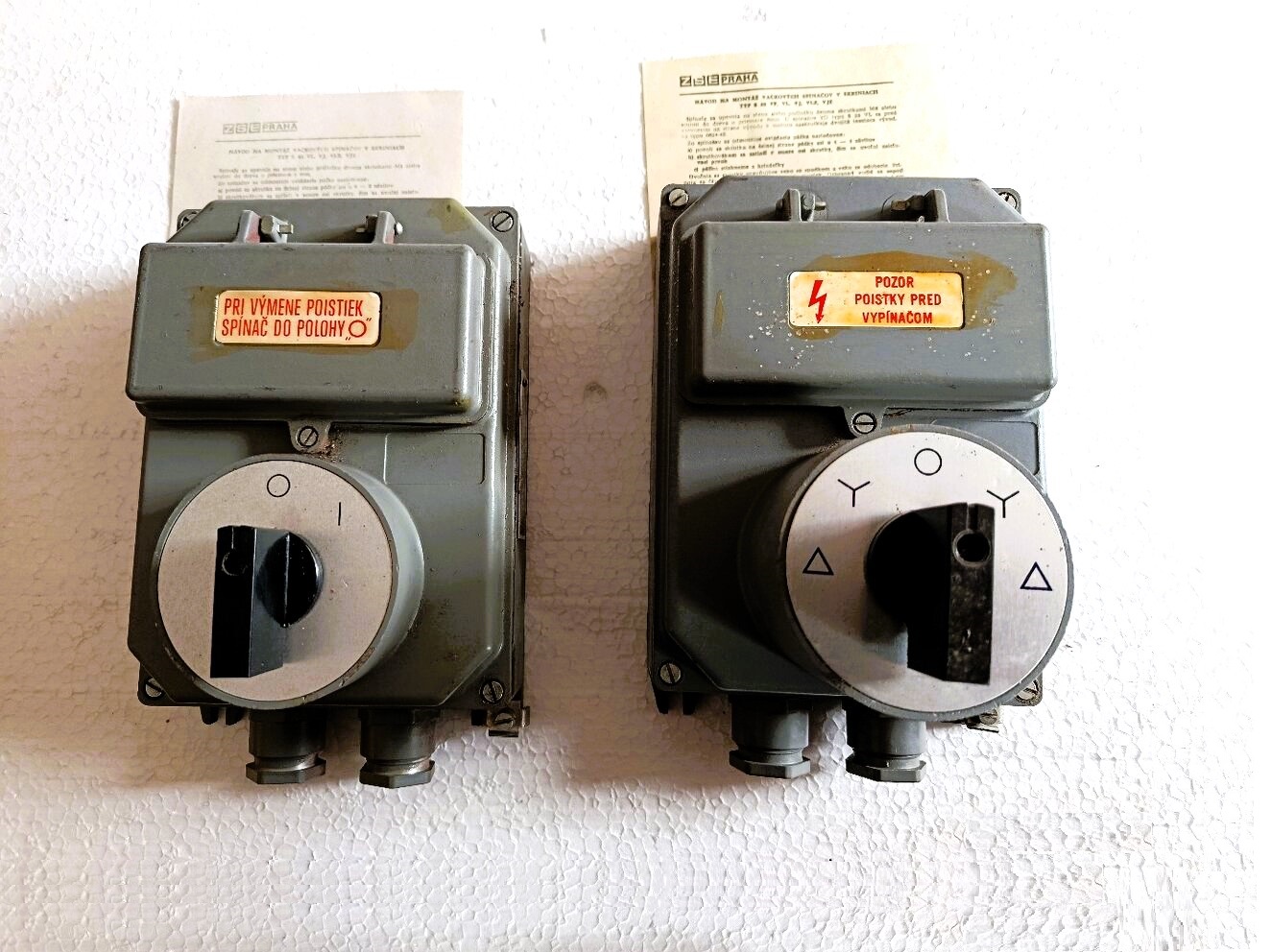
Cam switches have played a key role in electrical control systems for many decades. Their simple mechanical principle, combined with high reliability, has made them a preferred solution in industrial and energy applications where predictable performance is essential.
Over time, cam switch design has evolved to meet higher technical demands, stricter safety standards, and more complex system requirements.
Early Cam Switch Designs
The earliest cam switches were developed to provide reliable mechanical switching in industrial environments. Their primary advantages included:
-
simple and robust construction
-
clear switching positions
-
reliable contact engagement
These early designs focused on durability and ease of operation, making them suitable for basic machine control and power switching.
Growing Demand for Flexibility
As industrial systems became more complex, cam switch design evolved to support:
-
multiple switching positions
-
more complex contact arrangements
-
higher current and voltage ratings
This shift allowed cam switches to be used in a wider range of applications, including control panels, motor control systems, and power distribution equipment.
Related solutions: Cam Switches for Industrial Applications
Related solutions: Cam Switches for Commercial & Light Industrial
Introduction of Modular Design
One of the most significant developments in cam switch technology was the introduction of modular construction. Modular designs enable manufacturers to:
-
combine multiple contact blocks
-
configure custom switching sequences
-
adapt products to specific system requirements
This innovation significantly increased flexibility while maintaining the mechanical reliability cam switches are known for.
Advances in Materials and Manufacturing
Modern cam switches benefit from improvements in:
-
contact materials for lower resistance and longer life
-
insulating materials for improved safety and thermal stability
-
precision manufacturing for consistent quality
These advances allow today’s cam switches to operate reliably in demanding industrial and energy environments.
Learn more: [Cam Switch Design and Technology]
Modern Usage in Industrial and Energy Systems
Today, cam switches are used in a wide variety of applications, including:
-
industrial machinery and automation
-
energy and power distribution systems
-
infrastructure and safety-relevant installations
Despite the growth of electronic control systems, cam switches remain a preferred choice in applications where mechanical reliability, clear operation, and long service life are required.
See applications: Portfolio
The Role of Cam Switches Today
While technology continues to advance, the fundamental value of cam switches remains unchanged. Their transparent mechanical operation, resistance to electrical noise, and predictable behavior make them suitable for systems where reliability and safety are critical.
The evolution of cam switch design reflects the changing needs of industrial and electrical systems. From simple mechanical devices to modular, precision-engineered components, cam switches have adapted without compromising their core strengths.
For engineers and buyers seeking reliable switching solutions with a proven history, cam switches remain an essential part of modern electrical design.