
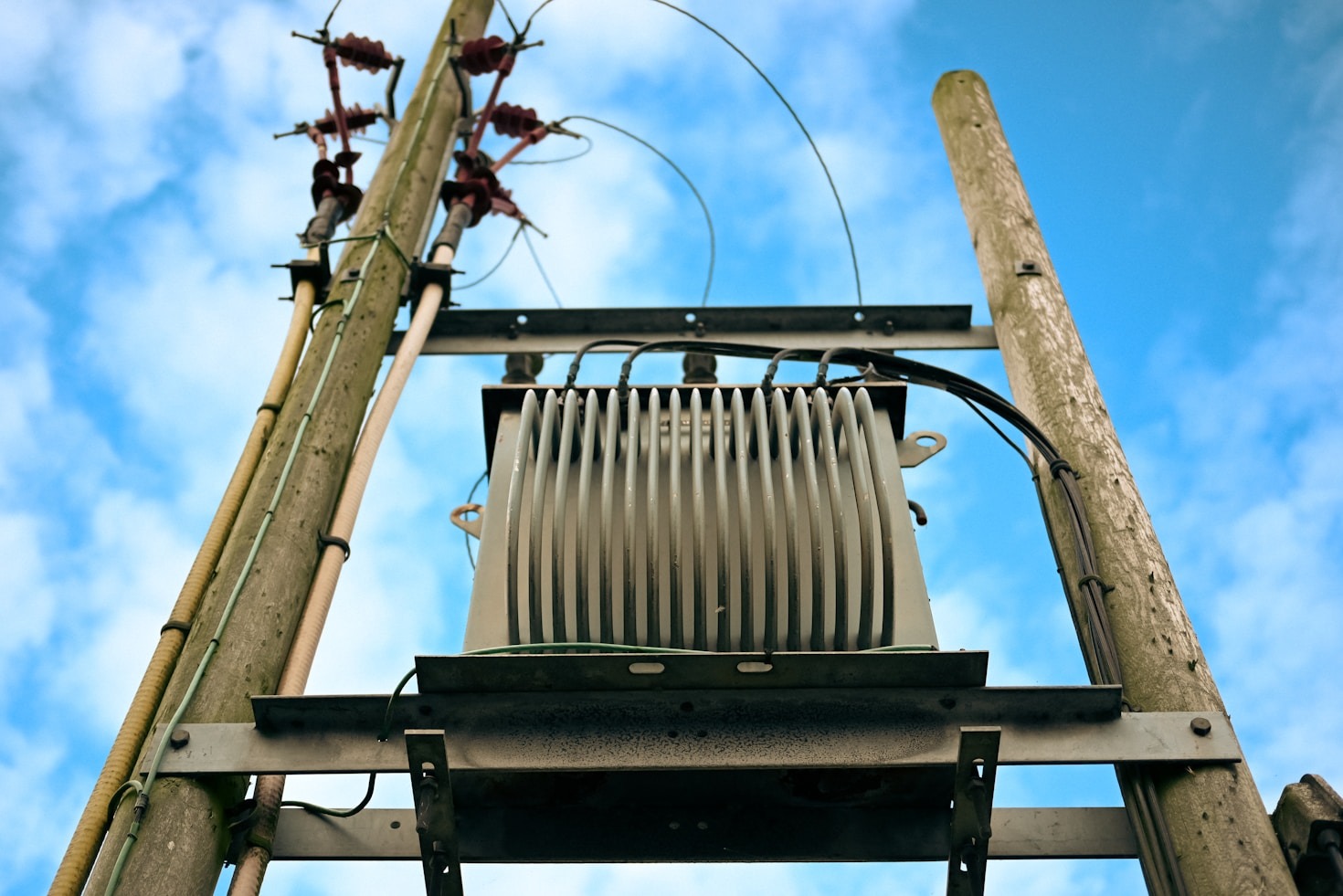
Cam switches are a proven solution for controlling electrical circuits across a wide range of sectors — from general commercial installations to heavy industry and energy infrastructure. Known for their mechanical reliability and precise switching behavior, they remain essential wherever long-term stability and operational safety are required.
This article outlines the most common applications of cam switches and highlights key innovations shaping modern cam switch technology.
Where Cam Switches Are Used Today
General Use and Commercial & Light Industrial Applications
In commercial buildings and light industrial environments, cam switches are commonly used for:
-
manual circuit control
-
changeover switching
-
HVAC and auxiliary system control
-
local machine operation
Their straightforward operation and clear switching positions make them suitable for everyday operational control where reliability and simplicity are priorities.
Related solutions: Cam Switches for General Use and Commercial & Light Industrial
Industrial Machinery and Automation
Cam switches are widely used in industrial environments for:
-
machine control and function selection
-
motor control and direction switching
-
control panels and operator interfaces
-
maintenance and service switching
Their mechanical design ensures stable performance even in applications with frequent switching cycles.
Related solutions: Cam Switches for Industrial Applications
Heavy Industry
Heavy industry environments such as metallurgy, mining, and large-scale manufacturing require components that can withstand extreme conditions. In these applications, cam switches are used for:
-
high-current switching
-
robust motor control systems
-
harsh-environment control stations
-
safety-related circuit isolation
Durable contact systems, high mechanical endurance, and resistance to vibration and environmental stress make cam switches a reliable choice in these demanding sectors.
Related solutions: Cam Switches for Heavy Industry
Power & Energy Sector
In energy generation and distribution systems, cam switches are commonly installed in:
-
power distribution panels
-
transformer control circuits
-
auxiliary and backup power systems
-
renewable energy installations
Clear switching positions, high electrical ratings, and long operational life make cam switches suitable for environments where downtime is unacceptable and operational safety is critical.
Related solutions: Cam Switches for Power & Energy Sector
Infrastructure and Critical Applications
Cam switches are also used in long-life infrastructure projects such as:
-
transportation systems
-
water treatment facilities
-
industrial safety and emergency systems
Their predictable mechanical operation and resistance to environmental stress support safe, long-term system operation.
Custom Solutions
Not all applications fit standard configurations. For specialized projects, cam switches can be tailored to meet specific technical and operational requirements, including:
-
customized switching sequences
-
unique mounting or enclosure designs
-
specific electrical ratings
-
integration into OEM equipment
Custom-engineered solutions allow precise alignment with system architecture while maintaining the reliability of proven cam switch technology.
See options: Custom Cam Switch Solutions
Key Innovations in Cam Switch Technology
Although cam switches rely on a well-established operating principle, continuous development has improved their performance and flexibility.
Modular and Custom Configurations
Modern cam switches are often modular, allowing manufacturers to:
-
create custom switching sequences
-
combine multiple contact blocks
-
scale configurations according to application requirements
This modularity enables precise system integration without unnecessary complexity and supports both standard and project-specific solutions.
Advanced Materials and Contact Design
Innovations in materials and contact technology have resulted in:
-
lower contact resistance
-
improved wear resistance
-
higher thermal and electrical stability
-
extended operational lifespan
These improvements directly contribute to long-term performance and reduced maintenance requirements.
Safety, Standards, and Testing
Modern cam switches are designed to comply with international standards and strict safety requirements. Key developments include:
-
reinforced insulation systems
-
clearly defined switching positions
-
improved short-circuit withstand capability
-
comprehensive functional and endurance testing during production
A strong focus on quality assurance and testing ensures predictable operation throughout the product lifecycle.
Read more: [Quality and Testing Processes]
Why Cam Switches Remain Relevant
As electrical systems become more complex, cam switches continue to offer a unique combination of:
-
mechanical reliability
-
simple and transparent operation
-
long-term durability
-
adaptability across multiple sectors
From general commercial use to heavy industry and energy infrastructure, these advantages make cam switches a preferred alternative to purely electronic switching solutions in many safety-critical and industrial applications
Conclusion
Cam switches remain a vital component in modern electrical systems. Through innovations in design, materials, and manufacturing, today’s cam switches deliver enhanced reliability, flexibility, and safety — while preserving the proven principles that have supported industrial systems for decades.
For engineers, system integrators, and buyers seeking dependable switching solutions, cam switches continue to be a reliable and future-ready choice.
Browse products: View All Cam Switches