
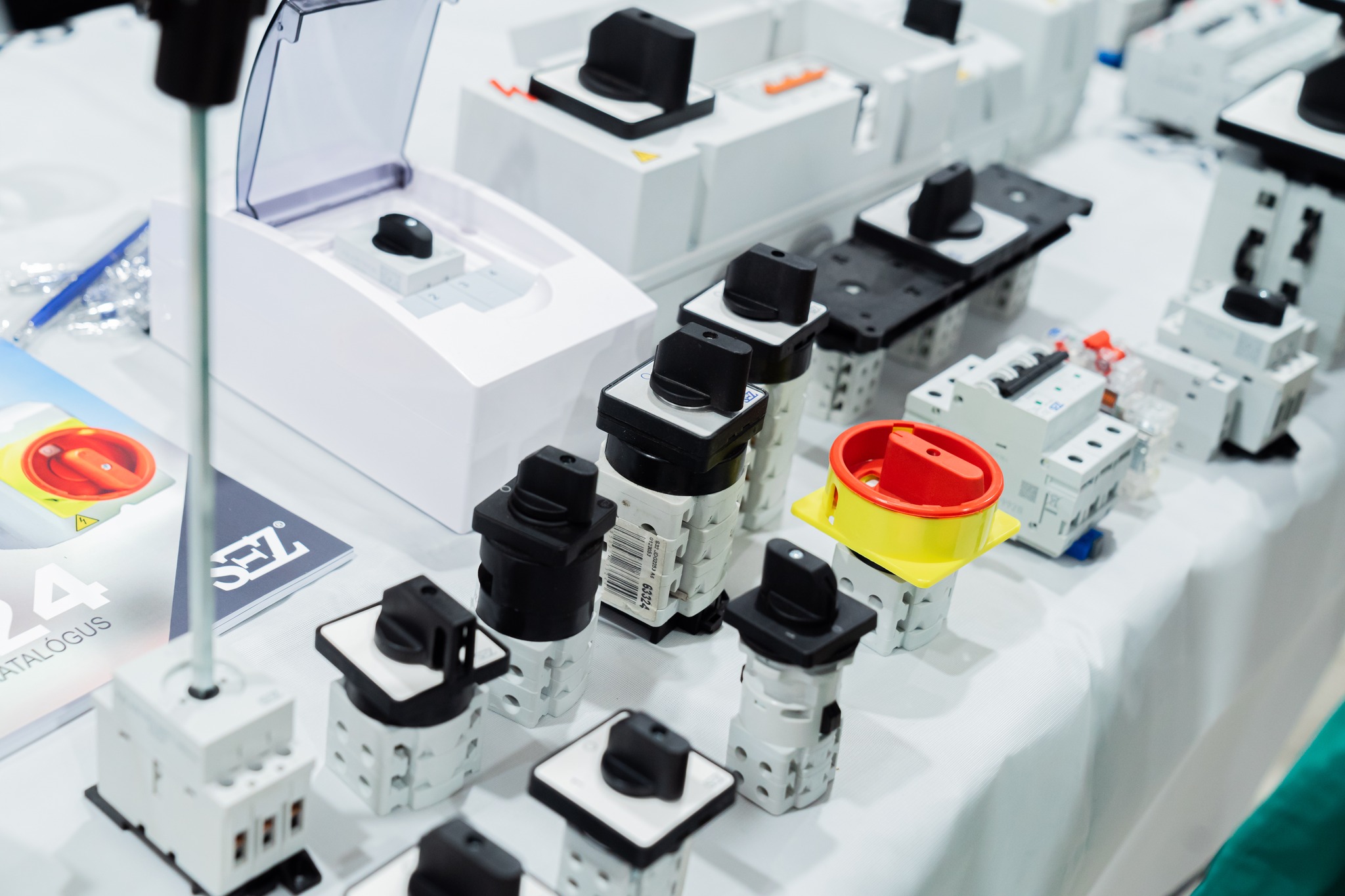
Imagine controlling multiple electrical circuits with a smooth turn of a single switch. This is exactly what a cam switch makes possible. Known for its precision, reliability, and versatility, the cam switch is a key component in industrial machinery, power distribution, and energy systems.
From efficient power management to safe and reliable circuit switching, understanding cam switches is essential for professionals working with electrical installations, automation systems, and industrial control panels. In this article, SEZ provides a comprehensive overview of cam switches, including their working principle, types, applications, key features, and selection guidelines.
What Is a Cam Switch?
A cam switch is an electromechanical rotary switch designed to control the flow of electricity in one or more circuits. It operates using a rotating cam mechanism that mechanically opens or closes electrical contacts in predefined positions.
Cam switches are used to:
-
Control power flow
-
Change motor speeds
-
Switch between multiple electrical configurations
-
Control several circuits simultaneously
Thanks to their robust mechanical design, cam switches offer long-term reliability even in harsh environments. Unlike purely electronic switches, they are resistant to vibration, dust, temperature extremes, and mechanical stress, making them ideal for industrial and commercial applications.
The contacts in a cam switch can be configured as:
-
Normally Open (NO)
-
Normally Closed (NC)
-
A combination of NO and NC
This flexibility allows complex switching sequences to be achieved with a single rotary input.
Working Principle of a Cam Switch
The working principle of a cam switch is based on the interaction between a rotating cam and a follower mechanism. The cam is mounted on a rotating shaft and features a contoured profile that determines the switching sequence.
As the shaft rotates:
-
The cam profile pushes against the follower
-
The follower transfers mechanical motion to the electrical contacts
-
Contacts open or close at predetermined angular positions
The follower is typically spring-loaded to maintain constant contact with the cam surface, ensuring precise and reliable switching. By using cams with multiple lobes or specially shaped profiles, cam switches can perform complex switching operations, including step-by-step control and timed switching sequences.
Wiring Diagram of a Cam Switch
A cam switch wiring diagram shows the terminal layout and contact states for each switch position. Each position corresponds to a specific combination of open and closed contacts.
Wiring diagrams are commonly used for:
-
Voltmeter and ammeter selector switches
-
Motor forward/reverse control
-
Power source changeover applications
-
Circuit isolation
Proper wiring according to the manufacturer’s diagram is essential to ensure safe operation, prevent short circuits, and guarantee the intended switching function.
Types of Cam Switches
Cam switches are available in various configurations, each designed for specific electrical control tasks.
Single-Pole Cam Switch
-
Controls a single electrical circuit
-
Suitable for basic on/off operations such as lighting or small electrical devices
Multi-Pole Cam Switch
-
Controls multiple circuits simultaneously
-
Commonly used in industrial machinery and control panels
Changeover Cam Switch
-
Transfers power between two circuits or power sources
-
Frequently used in backup power systems and generator installations
Step Cam Switch (Multistep Switch)
-
Operates through a sequence of predefined positions
-
Enables precise control of machines and motor speeds
Isolator Cam Switch
-
Disconnects the electrical supply for maintenance and safety
-
Ensures complete circuit isolation
Voltmeter Selector Cam Switch
-
Selects different voltage measurement points
-
Used for monitoring and troubleshooting electrical systems
Ammeter Selector Cam Switch
-
Allows current measurement at various points in a circuit
-
Helps diagnose current-related issues
Motor Control Cam Switch
-
Used for starting, stopping, and reversing electric motors
-
Ensures safe and reliable motor operation
Gang Cam Switch
-
Combines multiple cam switches into one unit
-
Saves space in complex control panels
Selecting the correct type of cam switch is essential for safe, efficient, and reliable electrical control.
Applications of Cam Switches
Due to their durability and precise switching capabilities, cam switches are widely used across many industries.
Industrial Machinery
Cam switches control motors, pumps, conveyors, and machine tools through control panels, ensuring accurate operation and uninterrupted production.
Building Automation
They manage lighting, HVAC systems, and operating modes, allowing manual selection to improve comfort and energy efficiency.
Automotive and Industrial Vehicles
Cam switches are used in ignition systems, lighting circuits, windshield wipers, and power distribution systems.
Power Distribution
They switch between main power supplies, backup generators, or individual circuits, ensuring continuous power for critical installations.
Testing and Measurement Equipment
Cam switches select voltage levels, current paths, or operating modes in laboratory and maintenance equipment.
Safety-Critical Applications
Used in emergency stop systems, limit switches, elevators, and industrial safety mechanisms.
Explore our Complete portfolio
Key Features to Consider When Selecting a Cam Switch
When choosing a cam switch, the following technical factors are crucial:
-
Number of Poles and Positions – Determines how many circuits can be controlled
-
Current and Voltage Ratings – Ensures safe operation without overheating or arcing
-
Contact Material – Silver alloy contacts improve conductivity and lifespan
-
Build Quality and IP Protection – Resistance to dust, moisture, and harsh environments
-
Mounting Type and Size – Panel-mounted or base-mounted designs
-
Customizability – Adjustable contact arrangements and switching sequences
Advantages of Cam Switches
-
Simple functionality and easy operation
-
Compact and space-saving design
-
Low maintenance requirements
-
Suitable for both AC and DC applications
-
High IP protection levels available
-
Long mechanical and electrical lifespan
-
Reliable operation in wide temperature ranges
-
Precise and customizable switching sequences
-
Clear visual indication of switch position
How to Choose the Right Cam Switch
To ensure safe and reliable electrical control, consider:
-
Application type (industrial machinery, automation, power distribution)
-
Electrical ratings matched to system requirements
-
Required number of poles and switching positions
-
Environmental conditions such as dust, moisture, and temperature
-
Mounting requirements and available space
-
Need for customized switching logic
SEZ offers reliable, high-quality, and customizable cam switches designed for industrial and commercial applications.
Frequently Asked Questions
How is a cam switch different from a standard switch?
A cam switch allows rotary control of multiple circuits and positions, while a standard switch typically offers only simple on/off functionality.
Can cam switches be used for both AC and DC applications?
Yes, cam switches are suitable for both AC and DC systems.
Are cam switches suitable for high-current applications?
Cam switches are generally used for control circuits rather than extremely high-current power switching.
Are cam switches customizable?
Yes. SEZ provides cam switches with configurable poles, contact materials, and switching sequences.
Conclusion
Cam switches are versatile, durable, and essential components in modern electrical control systems. Their mechanical reliability, multi-position functionality, and customization options make them indispensable across industrial, automotive, and building automation applications.
By selecting the right cam switch based on electrical ratings, number of poles, switching positions, and environmental conditions, you ensure precise, safe, and long-lasting operation. SEZ offers a comprehensive range of cam switches designed to meet the highest industrial standards and deliver dependable electrical control solutions.
Explore other products in our Shop